Internship Description
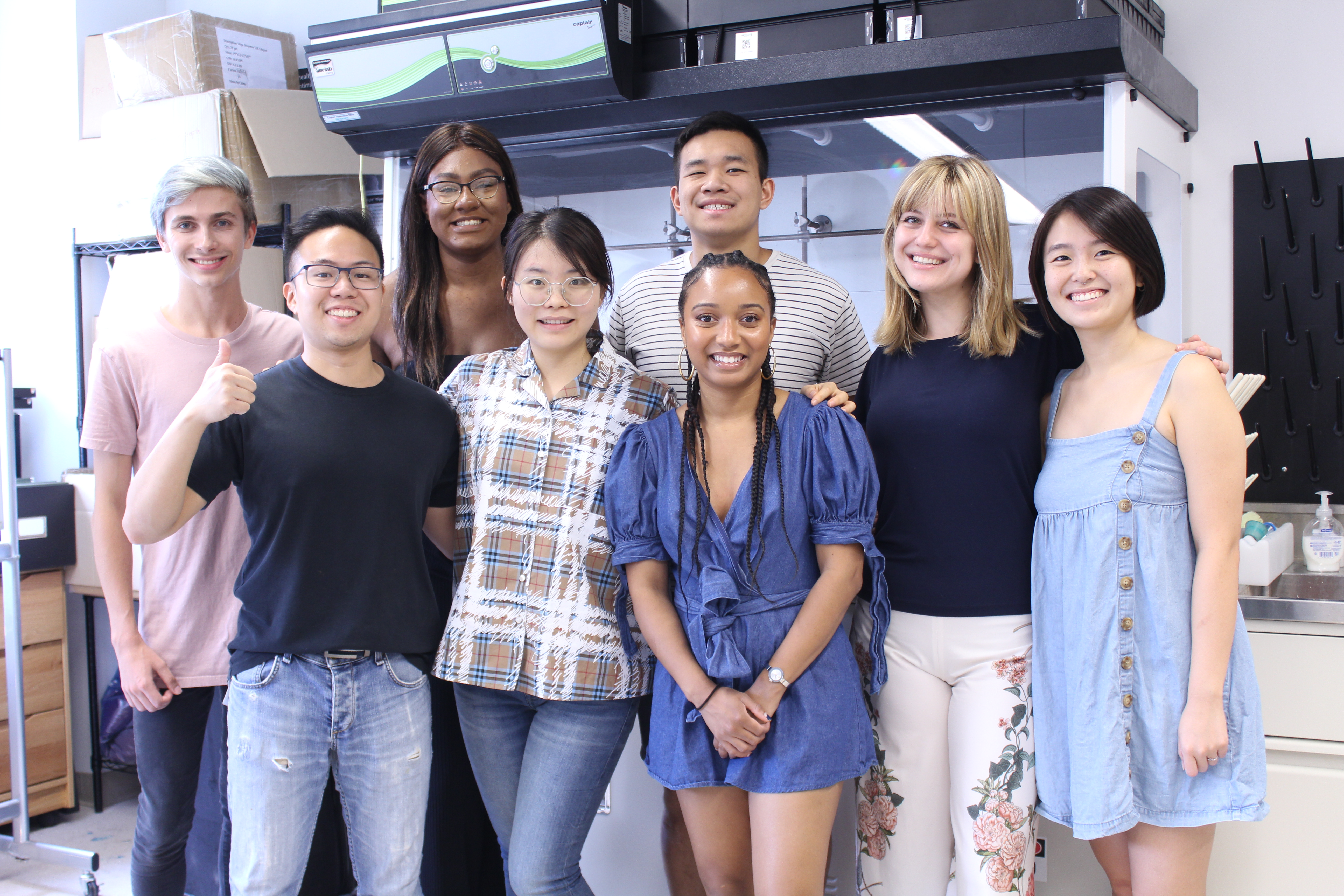
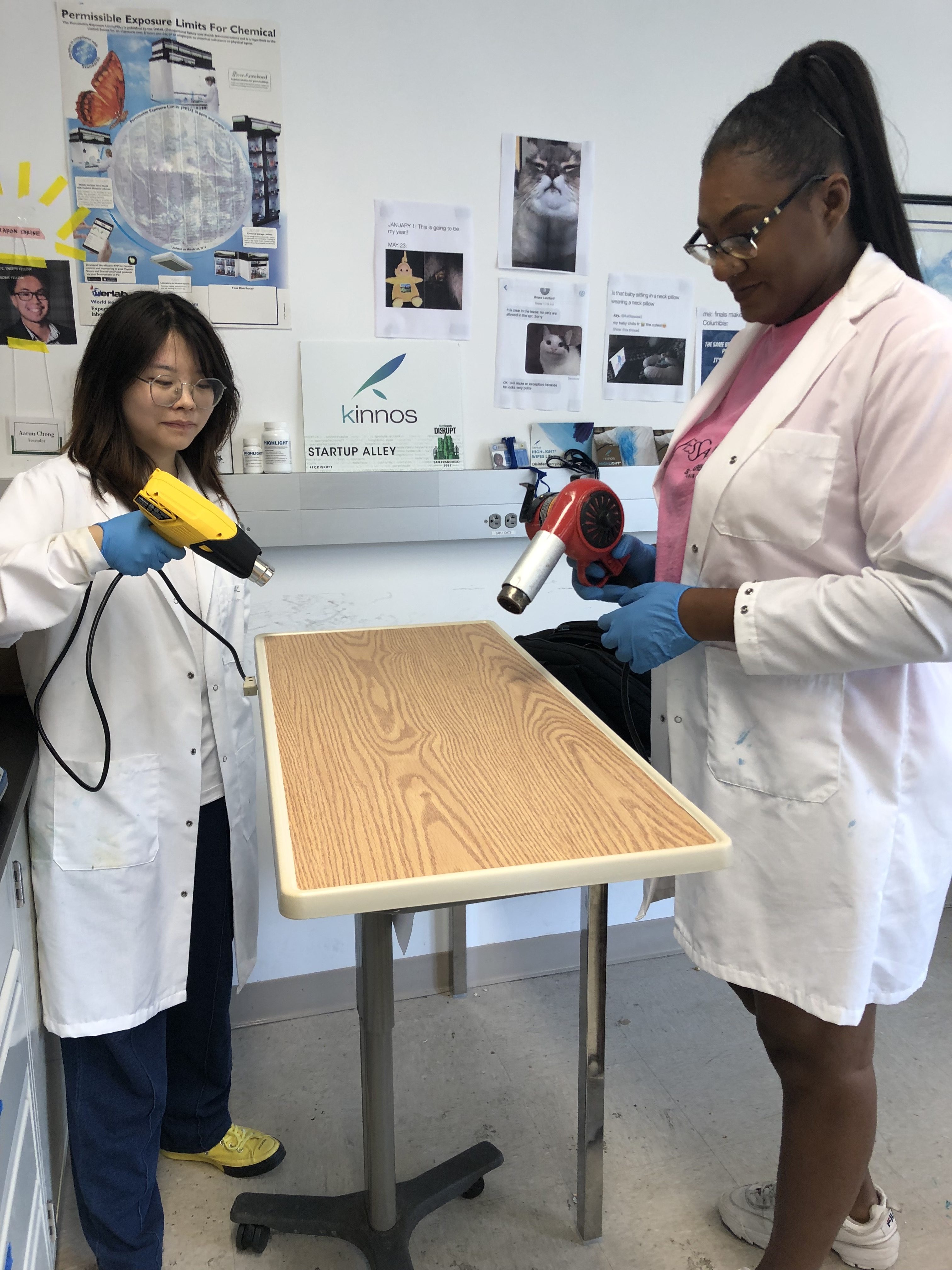
Ziyu Fan, ‘19SEAS and Celeste McFarlane, ‘21SEAS, worked as technical interns with Kinnos Inc., a New York-based Tamer Fund for Social Ventures awardee dedicated to raising the standard of infectious disease decontamination to protect healthcare workers, patients, and the general public. Ziyu served as a technical intern to design and conduct experiments. Her work at Kinnos accelerated product development and advanced new technology into applications to further improve the efficiency of disinfectants and save loss. Celeste was responsible for designing her own experiments, performing literature reviews and generating data with to expand the functionality of Highlight.
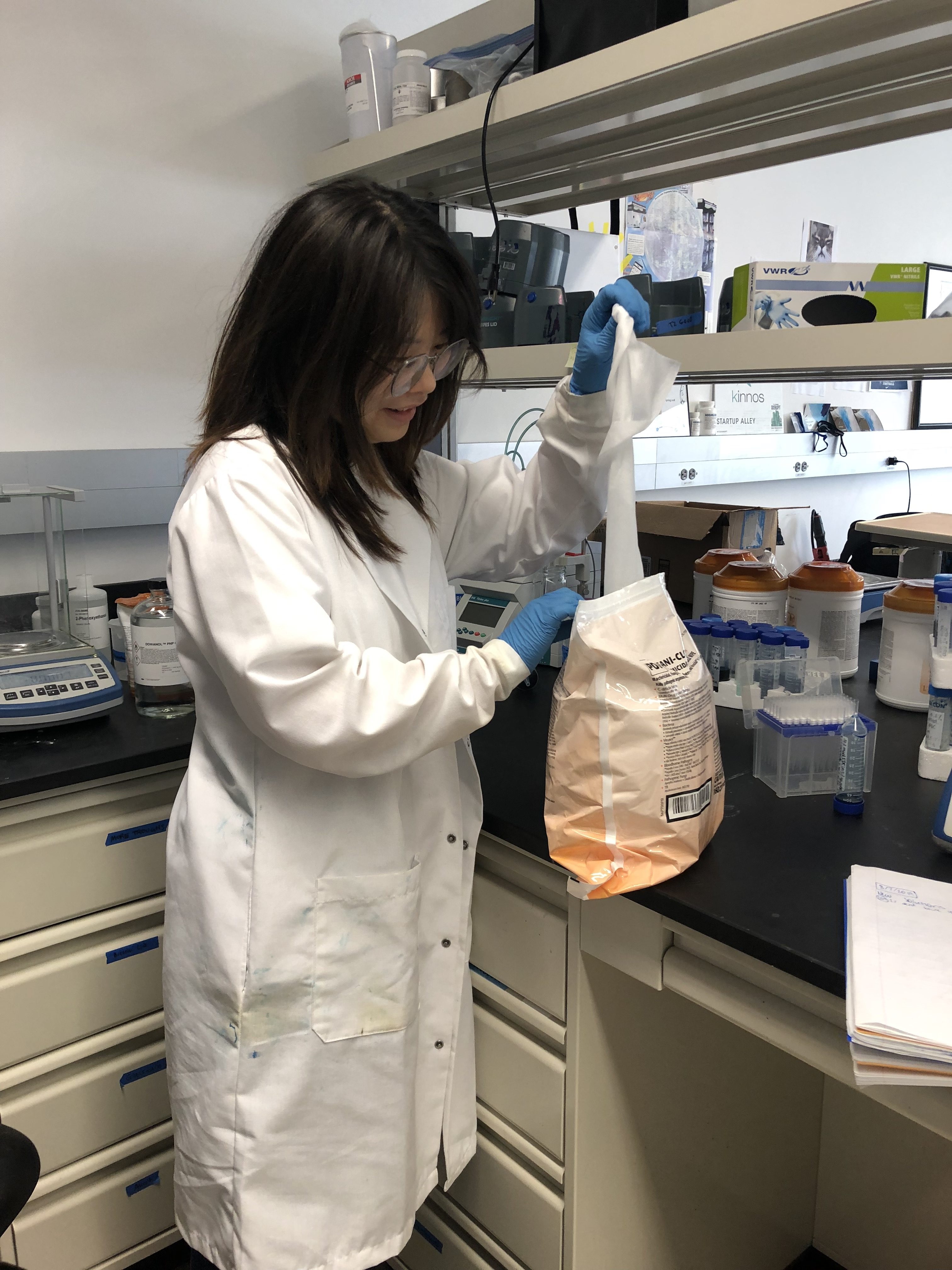
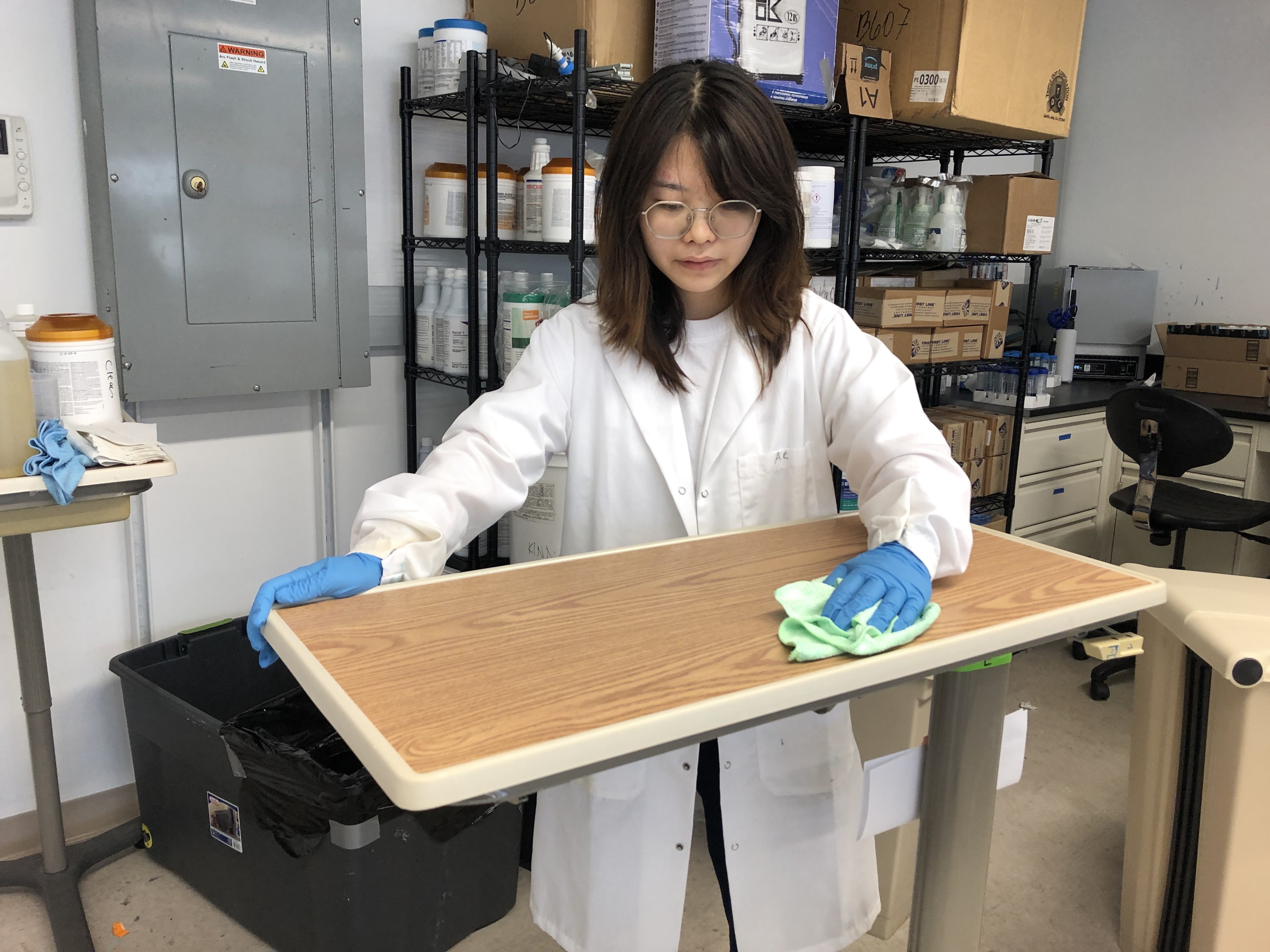
Kinnos Inc. is a New York-based startup aiming to raise the standards of infectious disease decontamination. The team is dedicated to designing applications including Highlight®, a winner of the USAID Fighting Ebola Grand Challenge to protect healthcare workers, patients, and the general public from infection. As a 2019 Tamer Summer Fellow, I interned at Kinnos and joined the research and development team to technically advance the Highlight formula, a color-based disinfectant additive that helps end users reduce human error during the disinfection process.
As a Chemical Engineering student, I am passionate about the research and development field and novel ideas aiming to solve problems, improve efficiency, and prevent loss. Having worked in laboratory environments for years, I have accumulated various types of chemistry and biochemical lab skills that prepared me well for this internship. The overall goals of the summer were to optimize the color intensity and color-fading properties of the Highlight additive. My knowledge about organic chemistry and reaction mechanisms were extensively applied, and I was also able to gain my first industrial product development research experience.
I faced several challenges throughout the summer as part of the research and development team. Used to conducting research at academic labs, I needed to not only prioritize product development efficiency but also think independently given the demanding goals and limited past literature on this niche topic. Needing to develop a formula that would fade completely with the disinfectants on various surfaces and textures within a certain amount of time, we were often challenged to be creative and think outside of the box.
Given the novelty of the designs, I was fully provided the freedom to investigate my own ideas and arrange my projects. At the same time, we needed to collaborative as a team sharing the same goals, so it was important to be communicative, not hold ideas, and keep everyone updated. Moreover, product development work could be frustrating, and different factors that are contributing to the experimental results needed to be considered. For example, the purpose of our innovation is to eliminate human errors when disinfecting, so how clinicians and hospital service workers decontaminate surfaces on a day-to-day basis had to be incorporated into the product development process. Thus, constructing an efficient system to think, work, and reflect is essential. This experience was incredibly invaluable to me since it served as a transition from academic research to the biotechnology industry and gave me insight into how early-stage start-ups operate. </p