Internship Description
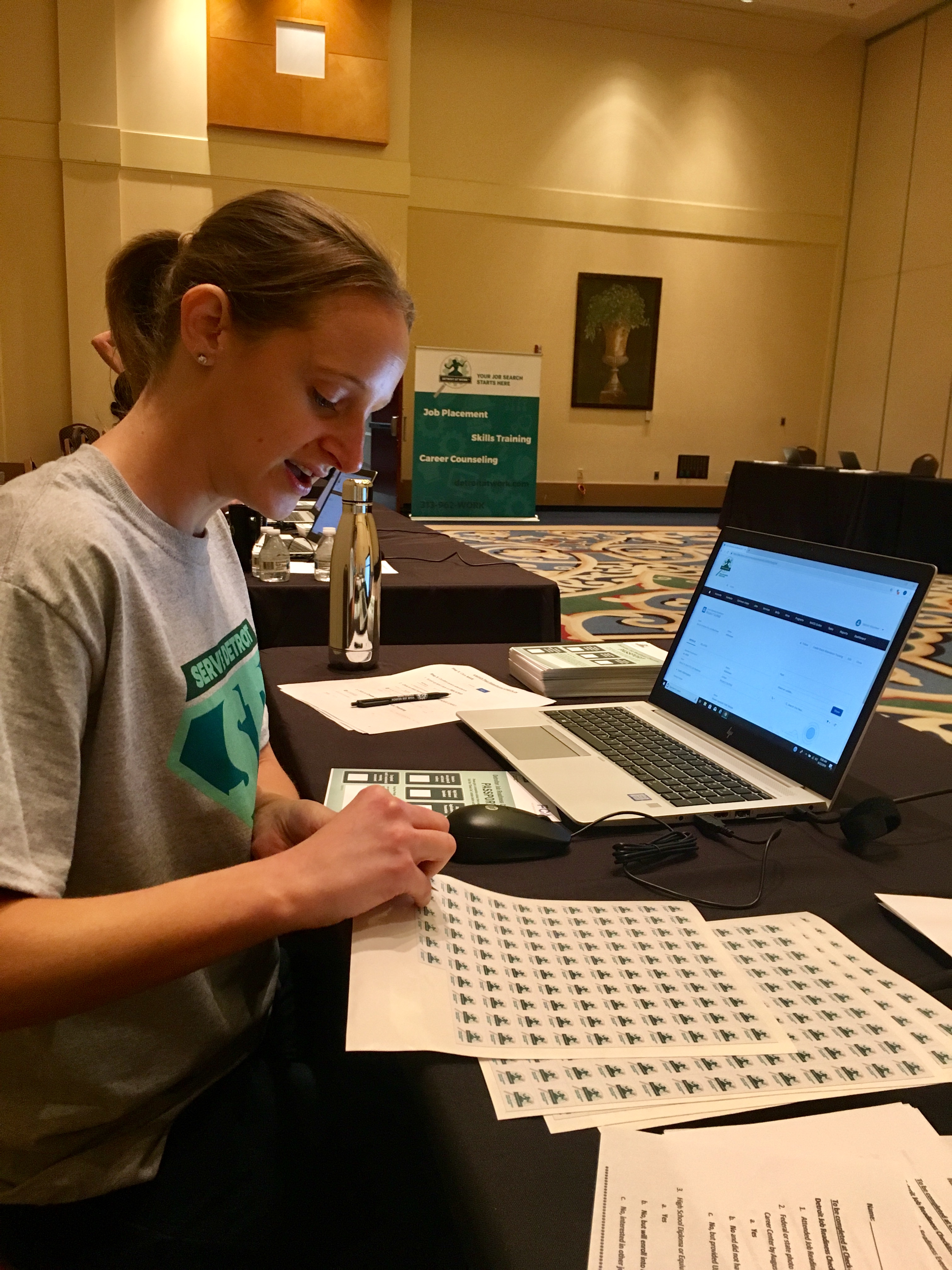
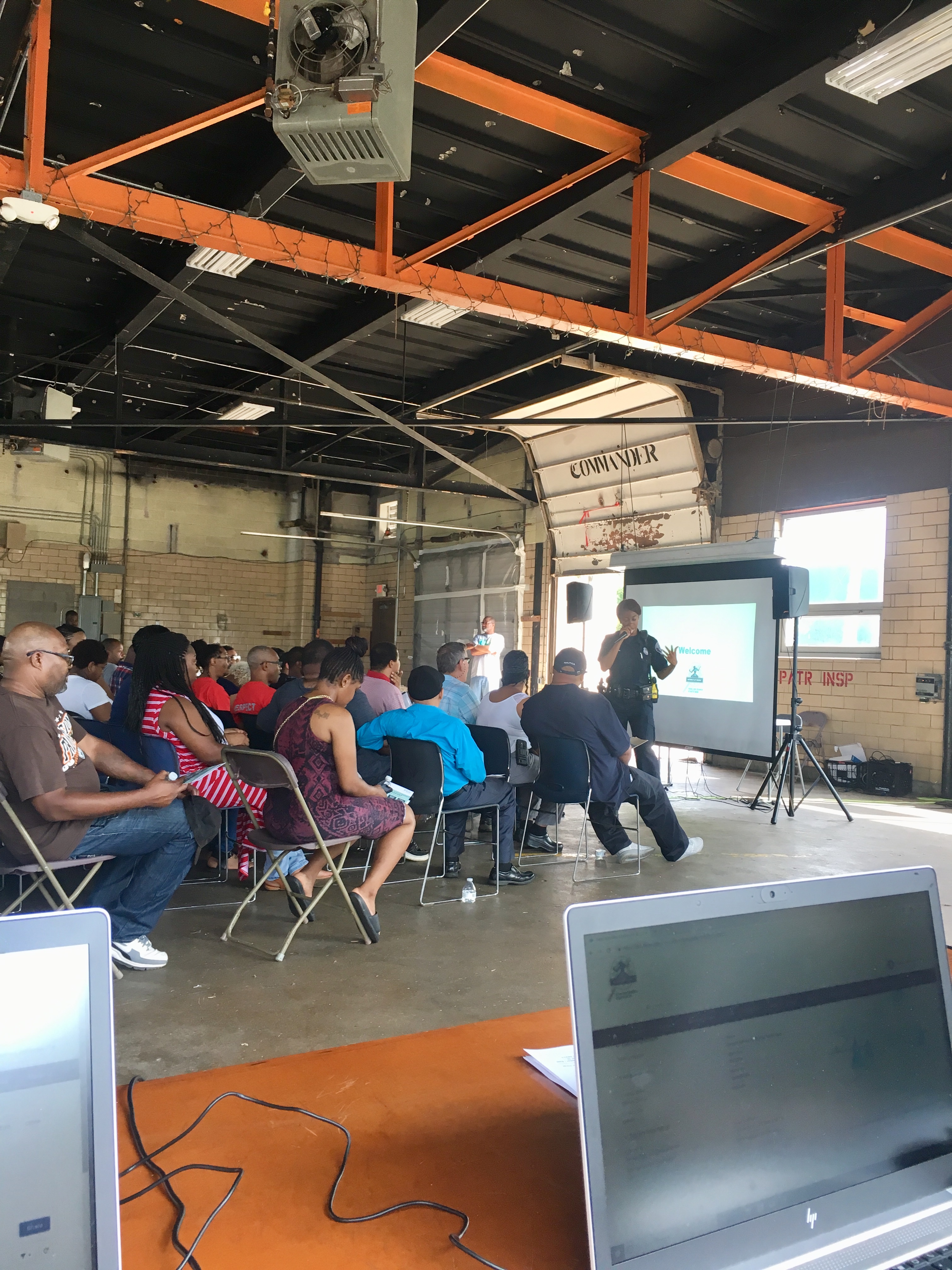
Hannah Woit, ‘20BUS, spent her summer working for the City of Detroit, MI’s General Services Department, which manages services shared by other city departments. Its programs include fleet maintenance, forestry, maintaining vacant lots, city-owned buildings, parks and recreation, and general design, upgrades, and programs. The Services Department’s mission is to make the city “a clean, safe and vibrant place” while guaranteeing every person has “accessible opportunities for recreation within walking distance of their home,” regardless of their socioeconomic status or background. Hannah developed a cost allocation model so that the Department could track use of its shared services by the various City departments.
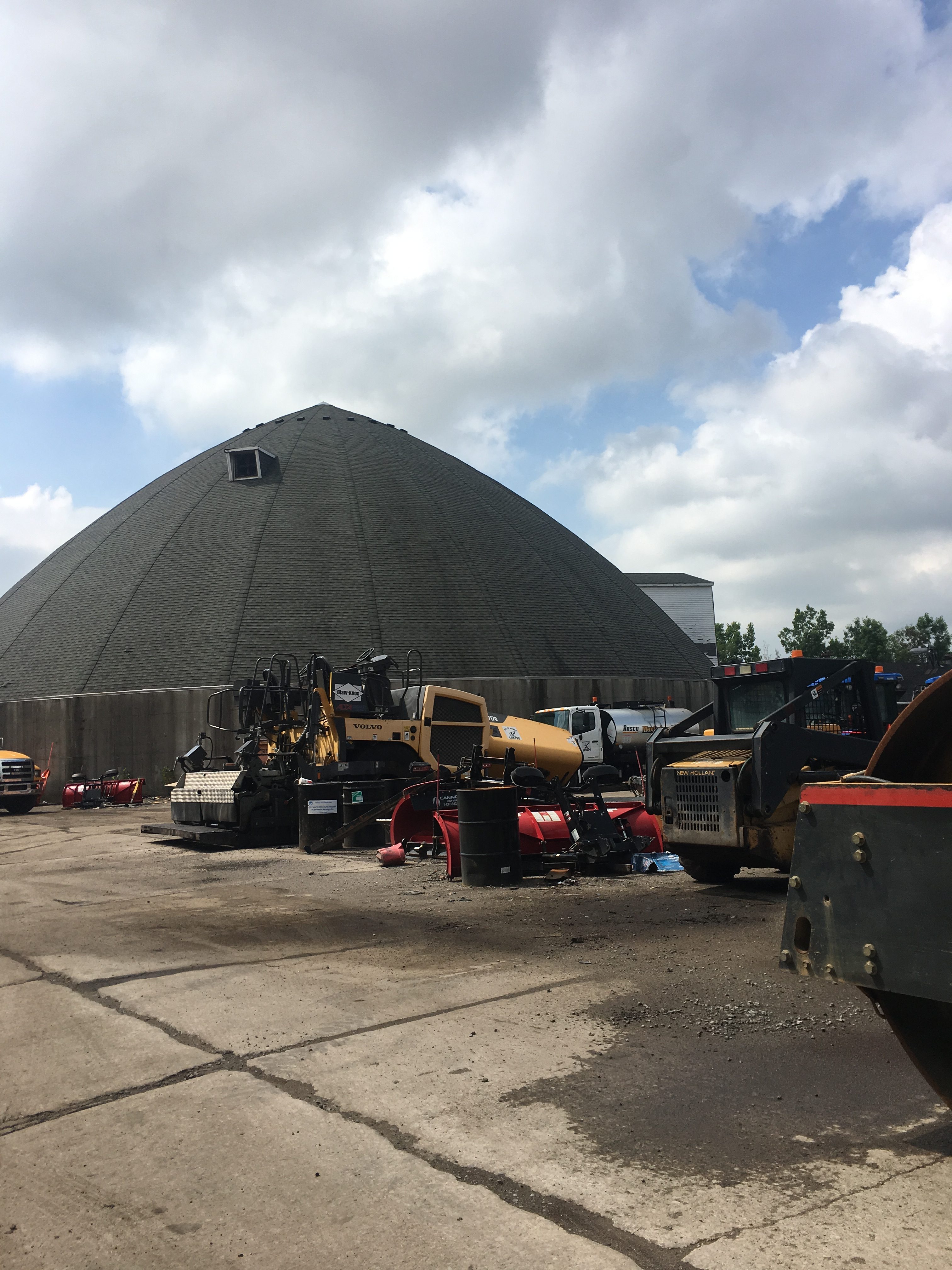
The main project I worked on was developing the General Services Department’s cost recovery framework. GSD is an internal service organization that services most of the other City departments, and several outside entities/partners. Its services include fleet (everything from fleet management/planning and acquisition to repairs to fuel provision), grounds (mowing, snow removal, trash pickup), custodial, and security work. The Parks and Recreation Department become a part of GSD in recent years, so it also includes everything from afterschool programs to the Senior Olympics to summer camp.
GSD is an integral part of the City’s mission to improve the lives of Detroiters. It literally keeps the rest of the departments running so that they are able to focus 100% on their own missions. Some say that GSD actually stands for “Get Stuff Done”. I have worked in municipal government before and if you want a community to function and be safe, you don’t have the luxury of giving up if you encounter a roadblock or political pushback. If you don’t plow the street, respond to a fire (literal and otherwise!), etc., no one will and, in some cases, lives could be in danger.
My first task was to figure out how to quantify the cost to GSD for delivering its services. My colleague had come up with a labor rate that we later tweaked and then applied to jobs, using labor hours as the basis for most calculations. I also had read a business case about Detroit’s bankruptcy before coming to the City given to me by a clustermate who had read it in another class and knew I would be interested in it. I brought that case with me literally and metaphorically to my work. I felt a sense of responsibility and pride in feeling like I was playing a small part in the City’s work towards financial stability by setting a framework into place that would help a large part of the City government understand what it costs to run the government that runs the City. GSD’s Director often talked about the importance of responsible stewardship of the people of Detroit’s resources and I took that to heart, trying to be as thorough as I could in pulling together every cost driver I could so that we could have a full picture of the costs and leadership could later make informed decisions regarding how to change how the work is being done so that it is most efficient and optimized.
Before I started, I thought the biggest challenge for me would be understanding City finance, but I soon learned that the hardest part and key to success was managing a large amount of information. So many things informed the costs of services and our calculations: the requested budget amount, the approved budget, the cost of contracts, deployment and service schedules, staffing numbers for each job, overtime versus regular pay, etc. And that information is constantly changing as GSD balances its scheduled, routine work with emergency repairs and special requests. Their services, especially corrective repairs, were also very hard to quantify, as the time it takes to repair something varies greatly in how long it takes, the equipment used, the materials and workers needed, etc. Thus, it was also important to be thorough in stating all of the assumptions behind the calculations. Also, coming from outside the department, it was challenging to know what I might be missing--what types of services or considerations, so I had to talk with many people to put together the fullest picture I could.
I had never been to Detroit, let alone Michigan! My biggest takeaway is the love I have for the City. I did not know what to expect going into it. I had missed being in public service at school and was excited to get back to the feeling of making a difference every day, but was worried about moving to a place where I did not know anyone and had never been before. My experience surpassed anything I could have wished for.
It also made me more passionate about the potential for MBAs to make a huge impact in government. Our country needs more people who understand operations, finance, management skills, and everything else we learn in our core courses, to work in government. I am so grateful to the Tamer Center for helping me and my classmates use the skills we have gained at CBS for the public good.