Internship Description
Amna Akhtar and Dorothy Lutz, ‘20SIPA, interned at Jusoor, an organization that operates schools and educational programs for Syrian refugee children in Lebanon. Jusoor serves over 1,200 students annually in three centers across Beirut and Bek’ka Valley. Amna, a Fullbright Scholar, contributed to the strategic design, data analysis and impact assessment outcomes using participatory action research methodologies. She also supported Jusoor in streamlining its communication and organizational strategies objectives, leading various communication and fundraising initiatives. Dorothy helped Jusoor to implement a new monitoring and evaluation program, focused on collecting high-quality data on student educational attainment in an education in emergencies (EIE) context. Additionally, she supported data collection and analysis, and helped Jusoor to produce reports on program outputs and outcomes for partner organizations and donors.
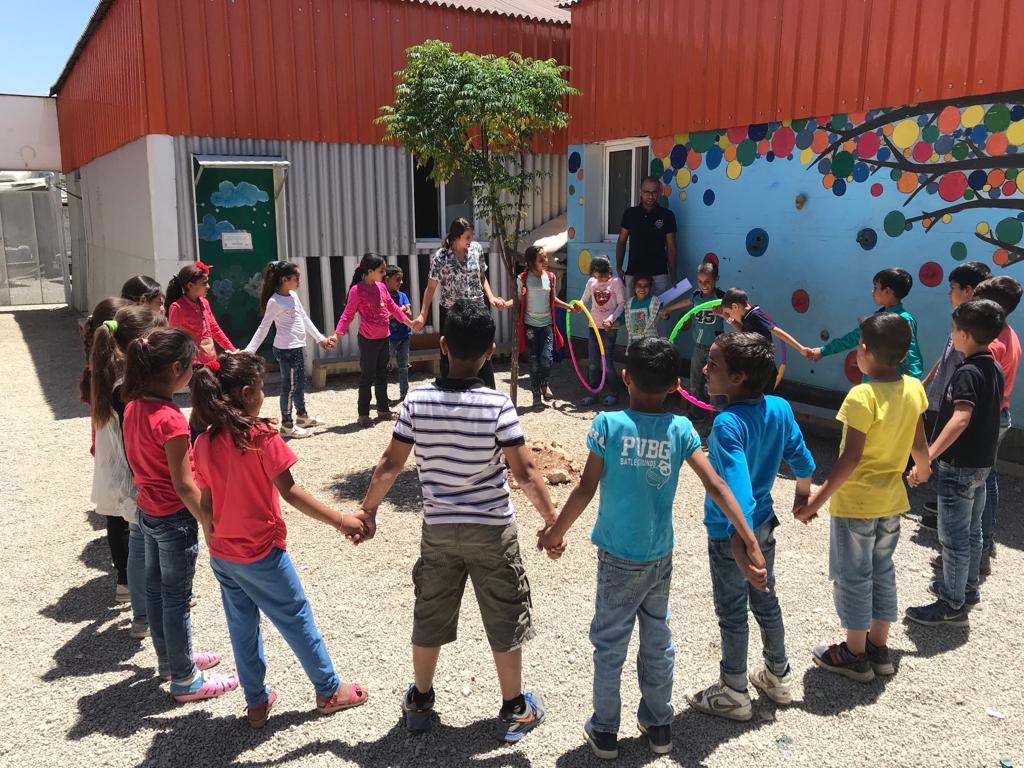
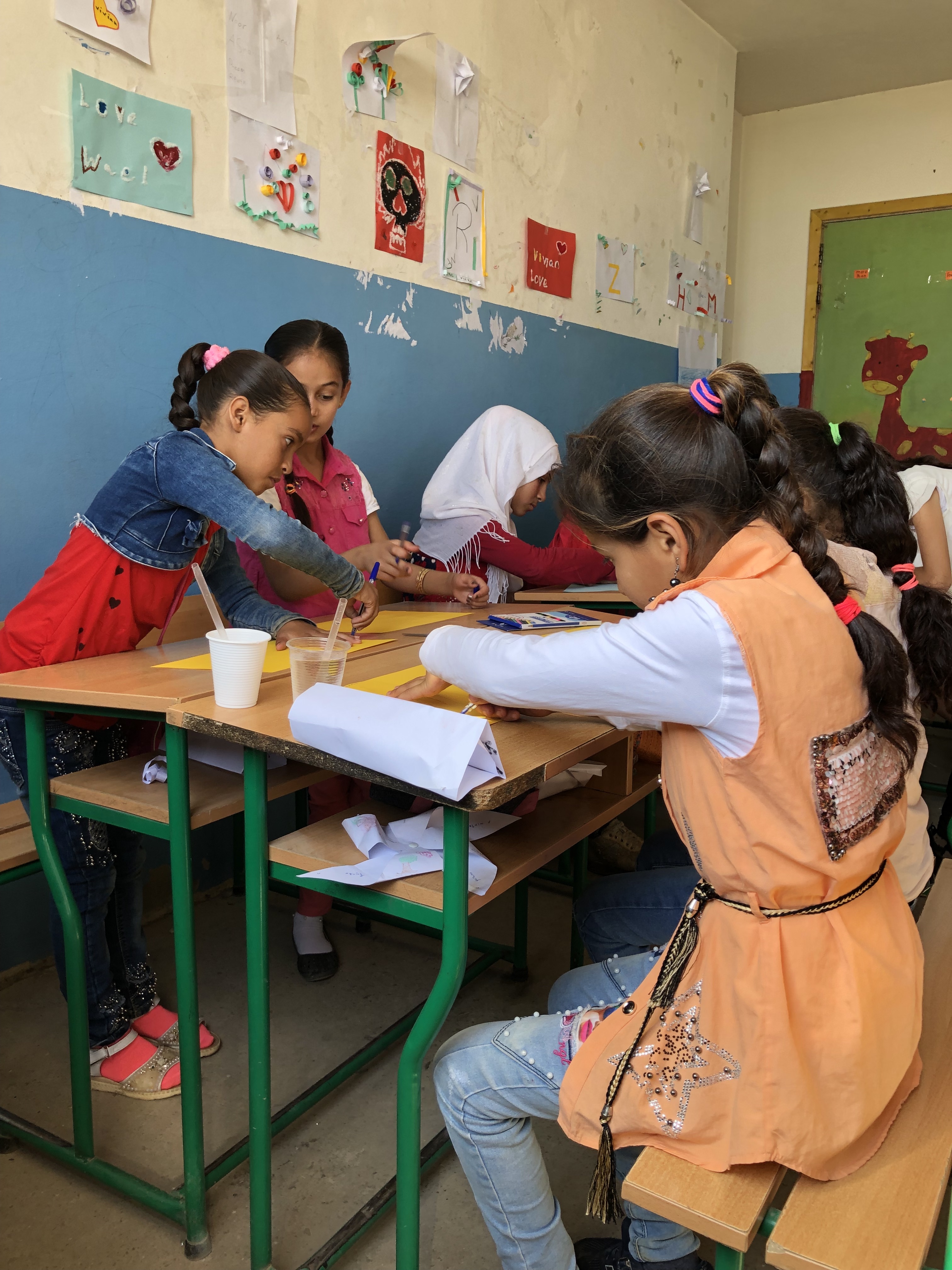
This summer I worked with a grassroots education non-profit called Jusoor, which aims to transform lives of Syrian youth through education and skill development. Founded by Syrian expatriates with the mission to build a brighter future for Syria’s youth, Jusoor runs a well- established Refugee Education Program (REP) based in the Beirut and Beka’a governates in Lebanon. The REP operates three schools for over 1200 children, helping to bridge the educational gap for Syrian refugees currently living in Lebanon, with the hope of preparing them to integrate into the mainstream educational systems in Lebanon and Syria. The schools run at full capacity all year round, following a specialized curriculum, aligned with the Syrian public education system and integrating peace-building/conflict resolution approaches during the academic year. This is supplemented with a broad-based summer camp that focuses on soft skill and non academic development for students. This summer program, now in its third year, recruits volunteers from all over the world to partner with Jusoor’s staff and teachers to deliver the program. Through this, Jusoor not only hopes to deliver improved learning outcomes for its students but also contribute to its teachers’ professional development and create a global community of champions for its work.
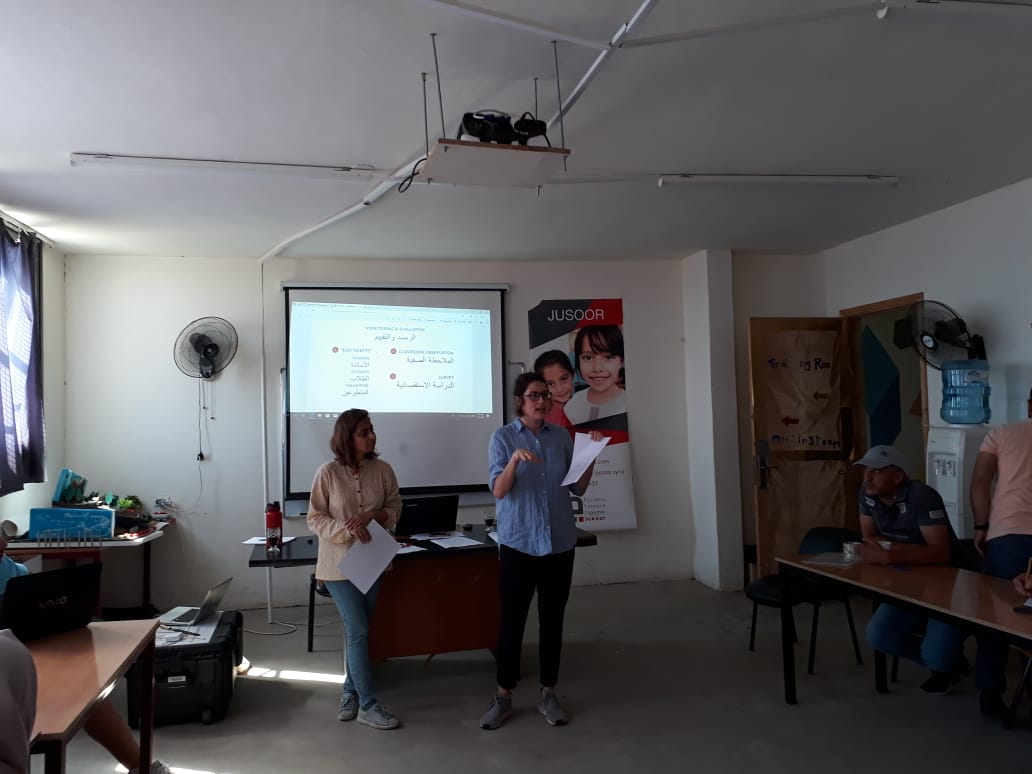
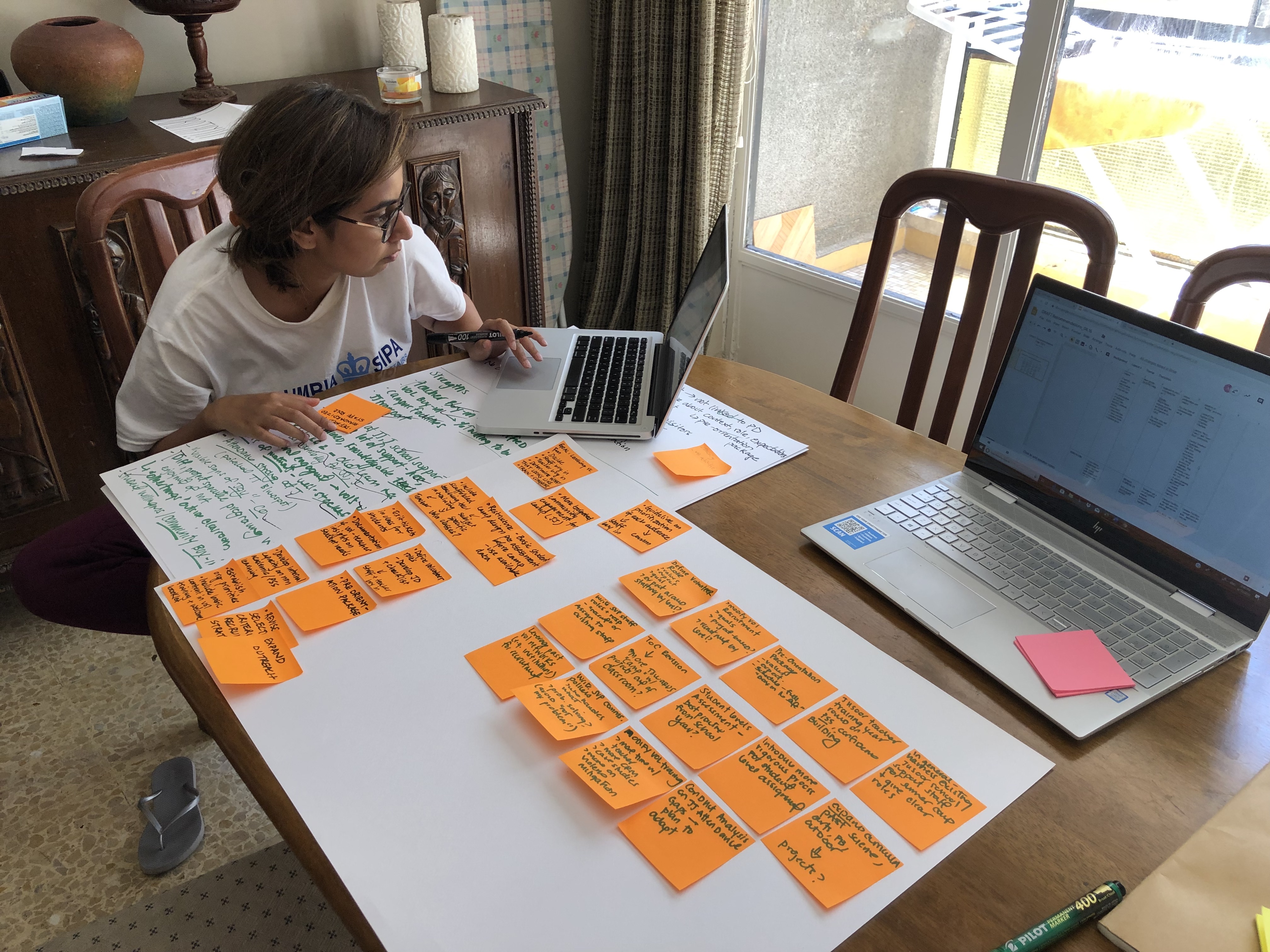
This summer, I worked with my classmate Dorothy Lutz (SIPA, MIA 2020), a as Monitoring and Evaluation intern for Jusoor’s Refugee Education Program (REP). We were tasked with leading the design and implementation of an M&E plan for their annual Summer Volunteer Program (SVP) and the overall strategic planning for REP. As the SVP expands and becomes institutionalized, Jusoor sought to undertake an objective evaluative exercise to assess its performance, ensure overall program alignment with the organization’s mission and plan for further improvements. We led an exploratory research phase, followed by a range of strategic planning initiatives to help determine the REP’s goals, outcomes and mission for its participants, which then helped inform the plan and design of a comprehensive M&E pilot. We successfully conceptualized and implemented the pilot during the 2019 SVP, facilitating capacity strengthening efforts along the way. Specifically we developed eight tools (including surveys, classroom observation tools, and attendance data collection tools) to help Jusoor’s schools track their program successes. We worked at two schools located in the Beka’a valley to pilot these and collected hundreds of data points for a four-week period. Our project came to a close with a deep analysis and review of the pilot and development of recommendations and an underlying framework for Jusoor’s future M&E and strategic planning.
This was a tremendous opportunity to apply the skills that we had learned the previous semester in a variety of our coursework, specifically our course on Applied Peacebuilding and Conflict Resolution (INAF654). The internship was part of the fieldwork placement for the course and we had spent the prior semester conducting a deep dive research for our upcoming work. This had included a comprehensive landscape and conflict analysis of the Syrian conflict and its impact on education in the region. We applied a number of concepts and frameworks introduced in the class, including Theory of Change and logical frameworks to design a proposed project plan before beginning the placement. Jusoor’s Academic Director and M&E Director allowed us to independently design and run the program, empowering us to execute our envisioned project on ground. My other coursework on policy design and quantitative analysis at SIPA as well as education and social movements and education planning at Teachers College were particularly helpful in adding to my understanding of assessing educational programs in different contexts.While the internship was a valuable and enriching experience, constraints around language, resources and timings were a concern. Working with young refugee children in a conflict zone is a sensitive and emotionally demanding undertaking. It is important that the work remains aligned to their needs and concerns and does not do them harm.
Navigating a new country, culture with a foreign language was at times challenging especially considering the politically charged and controversial backdrop of the Syrian conflict and refugee crisis. Therefore, it was important to take time to build a deeper understanding of the local context and its challenges before implementing any major changes and we tried our best to be responsive to what the people (students, parents and communities) wanted, rather than what we think was needed. However, doing this in a limited time constraint with language barriers was a constraint - one, which we hope, was mitigated by our detailed preemptive planning and research.
This past summer has contributed to a range of personal and professional learnings for me. My key takeway from the experience was the importance of gaining knowledge and expertise at grassroots level for enacting larger policy level changes. It reinforced the importance of listening to communities and constantly challenging one’s assumptions. One of my key goals going into this experience was to gain on hands experience of working with refugees and in conflict- affected zones. This was especially valuable for me with respect to my long term career goals, upon my return to Pakistan after SIPA.
I also learnt valuable personal and professional lessons in working in uncertain and resource constrained settings. The experience has rekindled my passion for working with children, highlighting the sensitivity and complication of the nature of this work. It helped me understand the role of institution building and education in the wake of conflict and trauma, particularly the impact of small NGOs in rebuilding conflict-impacted communities.