Internship Description
Julian Richardson, ’20BUS SIPA, worked as an intern with the Treasury Office of International Monetary Affairs. Julian worked with office economists to prepare senior officials for meetings on international economic and financial policy issues (i.e. G-7 and G-20 summits) and draft official communiques. He also reviewed member country requests for International Monetary Fund (IMF) programs. Over the summer Julian contributed substantially to the formation of US international financial and economic policy.
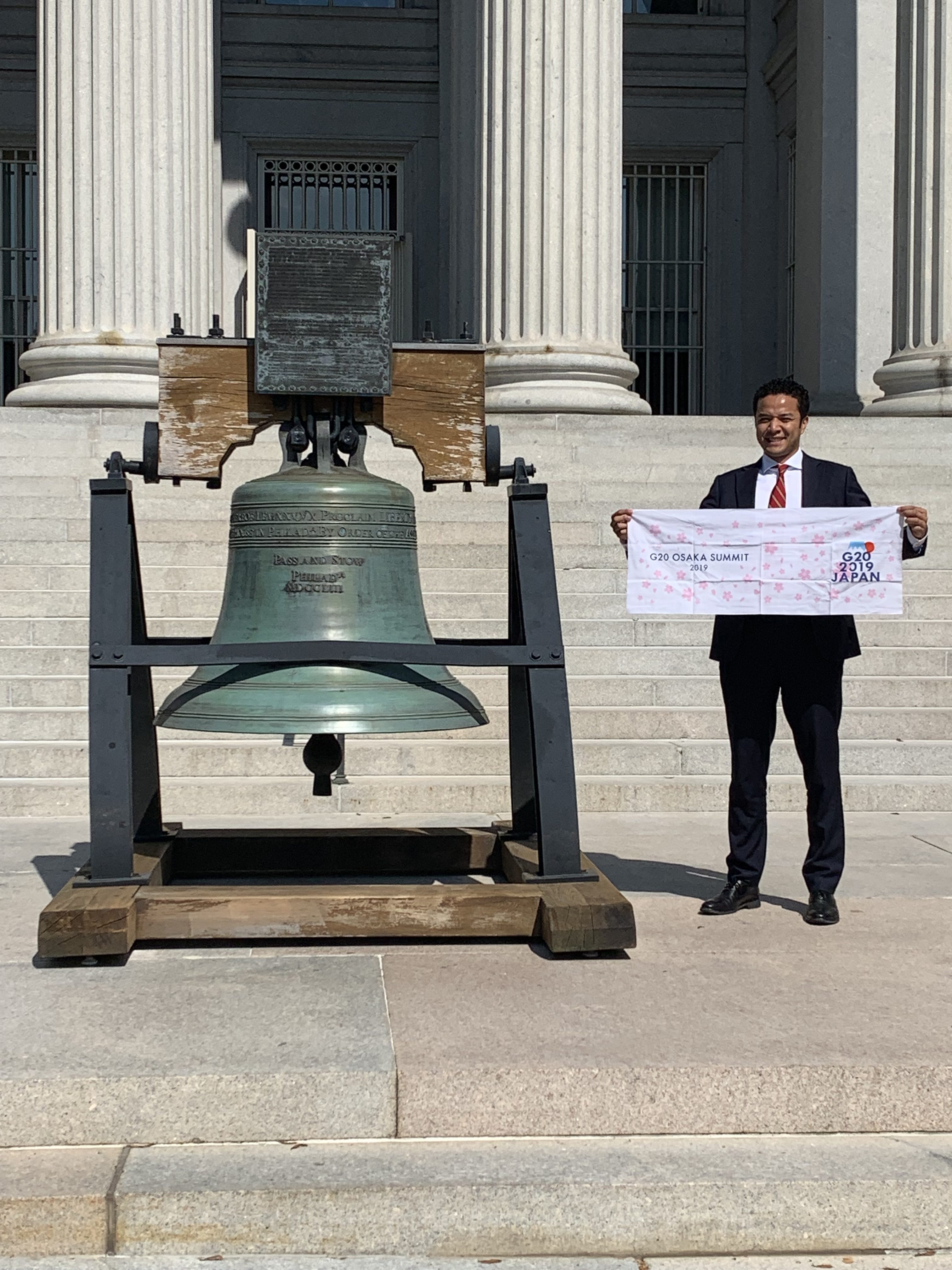
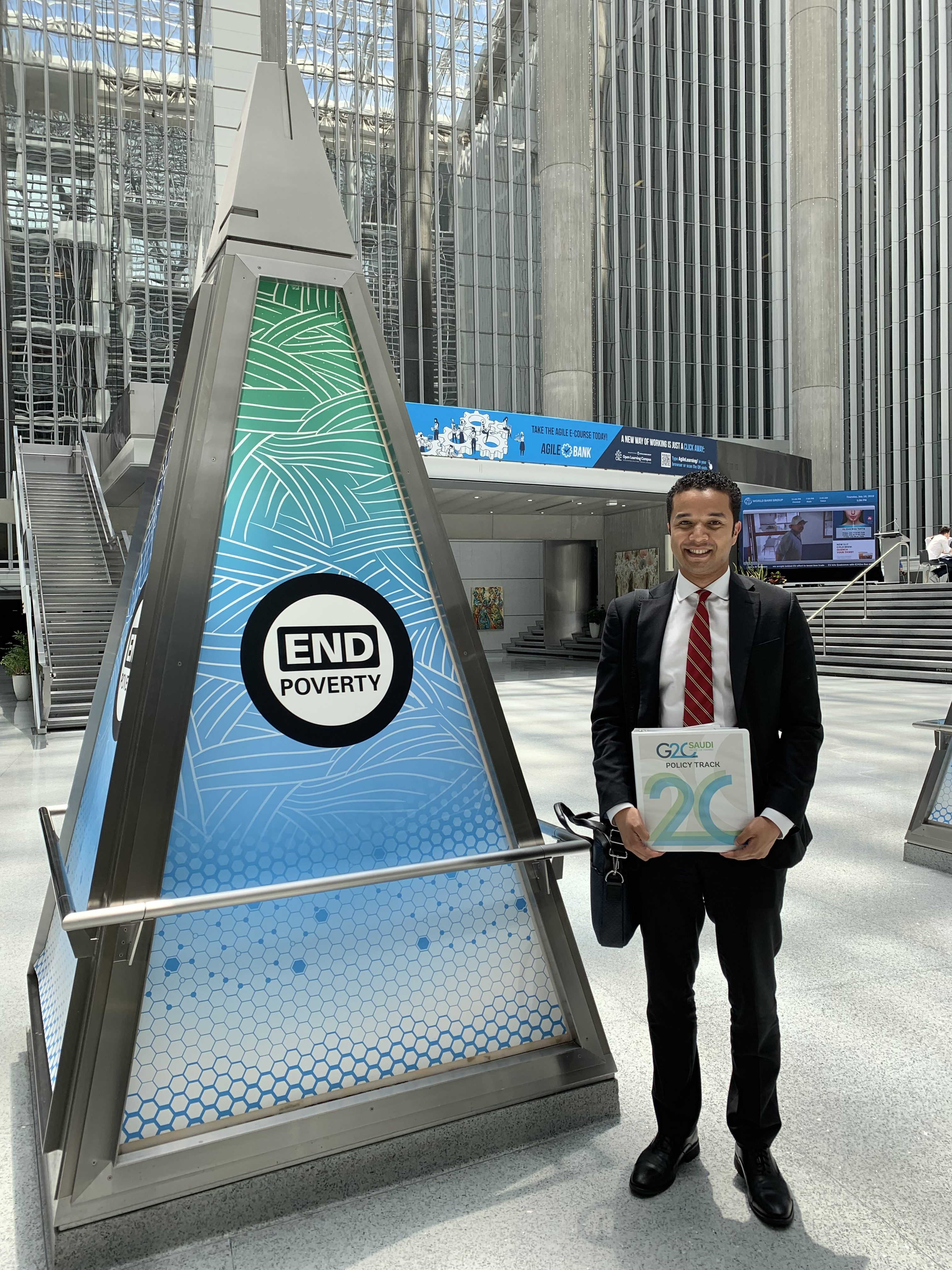
My role at the U.S. Treasury Department was split into two distinct responsibilities: G20 Summits and US International Monetary Fund (IMF) policy. For the G20 Finance Ministerial in Fukuoka and Leader’s Summit in Osaka, I was responsible for preparing the negotiation book for our Deputy Assistant Secretary and G20 negotiator. This consisted of compiling many internationally negotiated documents (over 50 ranging from 2-200 pages) that could be referenced. I also compiled country comments and understood who the allies and challengers would be on different policy negotiations. After the G20 concluded, my focus shifted to IMF policy. I would regularly review IMF programs and provide U.S. policy views for the US Executive Director’s office to provide at the IMF board meetings. My projects directly fit with the U.S. Treasury’s mission of shaping global economic policy.
My economic coursework from SIPA was extremely helpful in putting into concepts the highly technical aspects of understanding and critiquing IMF economic analysis or policy. My Japanese Financial Economy course put into context U.S. Treasury’s Annual Foreign Exchange Report, a report on global imbalances and currency manipulation. My Emerging Capital Markets course that covered global financial crises gave me a strong understanding of how sovereign debt crises from the 1980s to today evolved over time and the role the IMF plays in resolving these issues.
One of the challenges I faced was changing my mindset from a banker to a government employee. In my previous work, I had structured cross border loans and needed to understand detailed terms and expected profit of a single transaction that I was helping negotiate. In my new role, I had to take a bird’s eye view, not get bogged in the details, and think about what structural economic issues entire countries faced.
As a Master of International Affairs specializing in International Finance and Economic Policy, I could not imagine a better place to learn the inner workings economic policy. I was given unparalleled exposure to many of the inner workings that lead up to a G20 summit and the choreography behind the events. One of my main takeaways is that to read a nuanced commmunique document unless you read multiple drafts and understand the “terms of art”, it is difficult to make sense of the statement and the direction global leaders are heading.