Internship Description
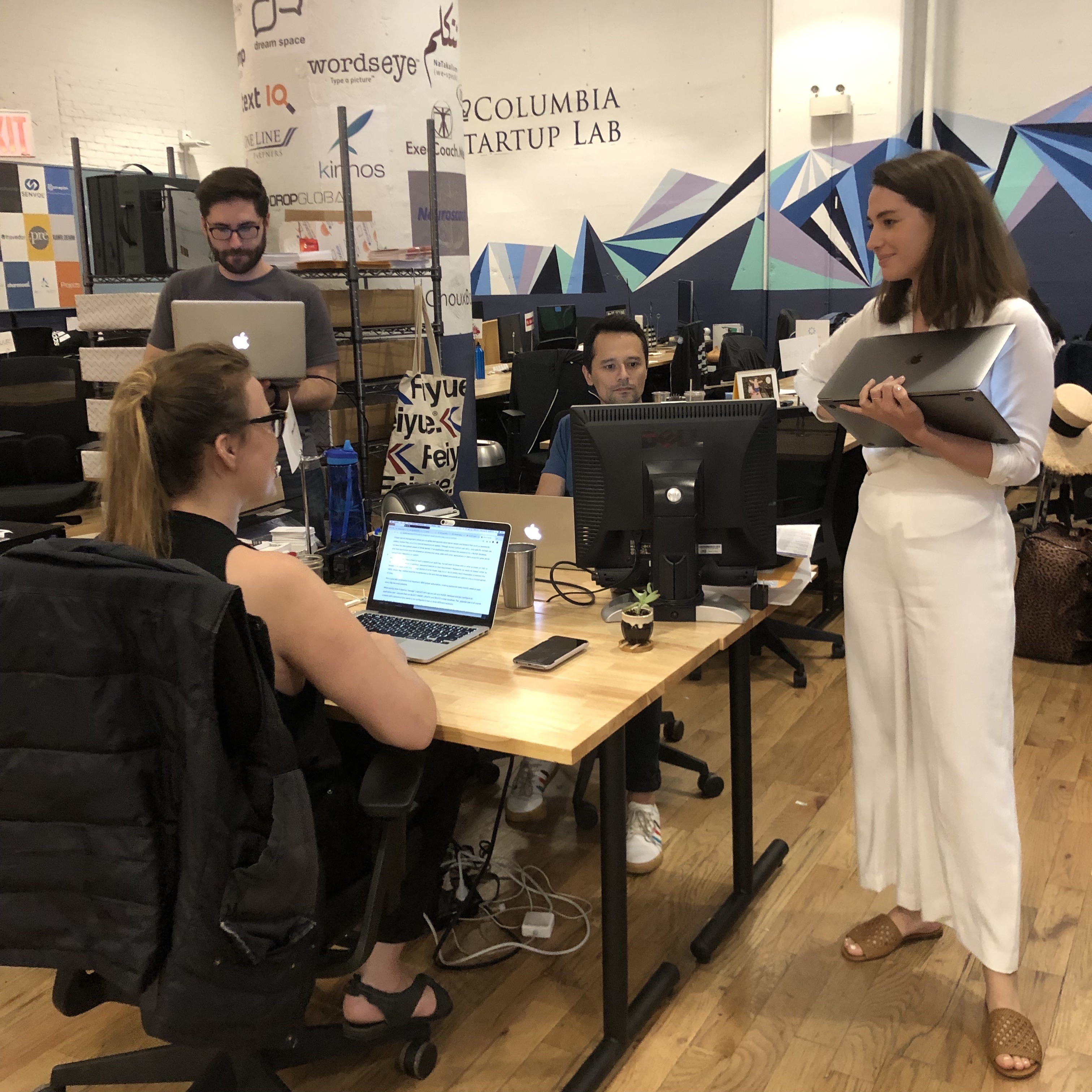
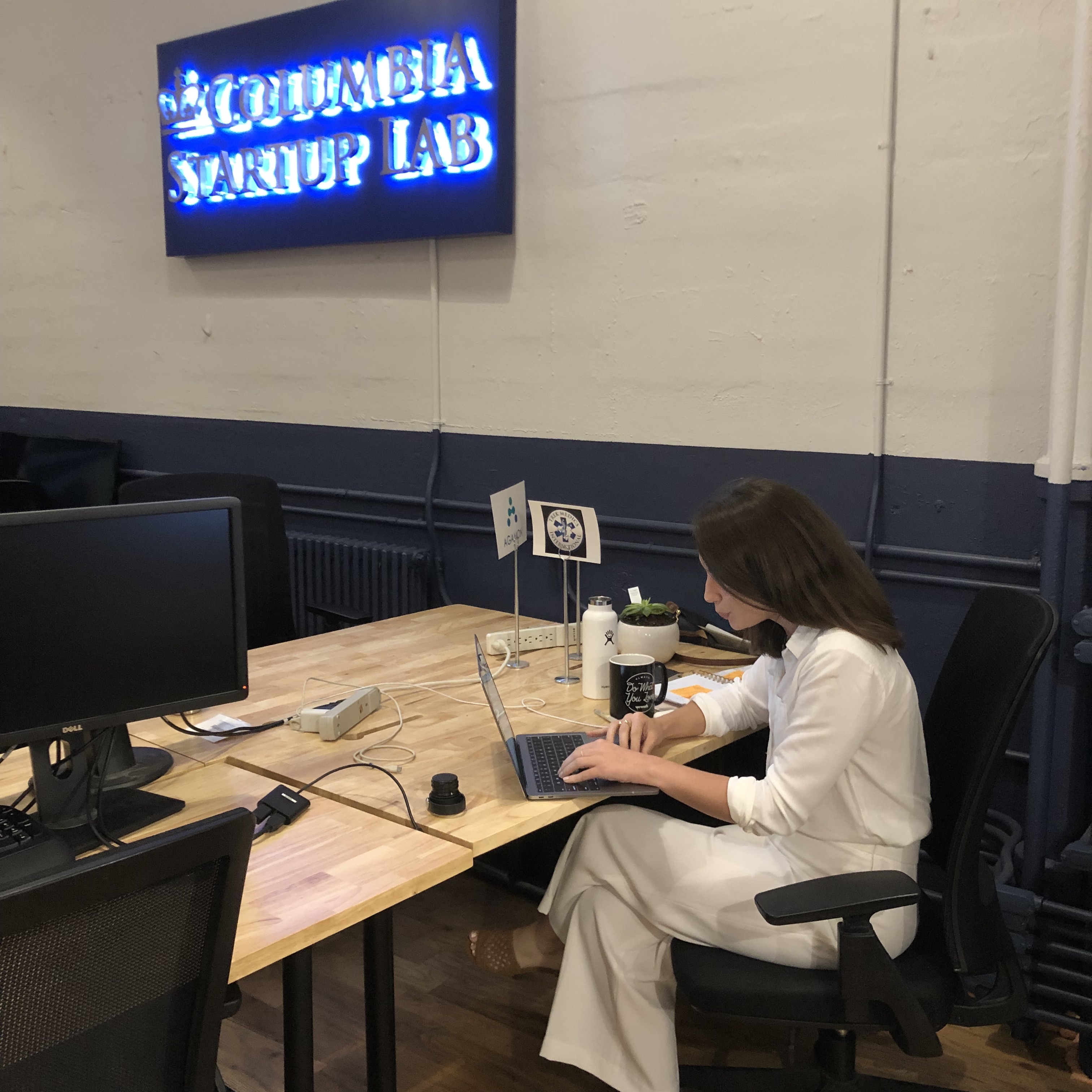
Kaleigh Post, ‘20MPH, interned at TrekMedics, one of the first startups to emerge from Columbia’s Startup Lab. As an international 501c3, TrekMedics mission is to improve emergency response systems in communities around the world, currently operating in six countries outside of the U.S. During her internship, Kaleigh worked to improve the design and user-experience of TrekMedics digital emergency dispatch system: Beacon. She also beta tested the new interface through field-based user-research. By improving Beacon’s user experience and interface design, TrekMedics was able to onboard and retain more users, and ultimately able to respond to more emergencies.
Trek Medics is the Uber for emergency response. They are dedicated to improving emergency medical systems in communities across the globe who do not have reliable access to emergency care through innovative mobile phone technologies. They were struggling with their primary technology product called Beacon, specifically it’s usability. While they were trying to make emergency care accessible through technology, Beacon was incredibly confusing to understand and use. My goal was to fix this.
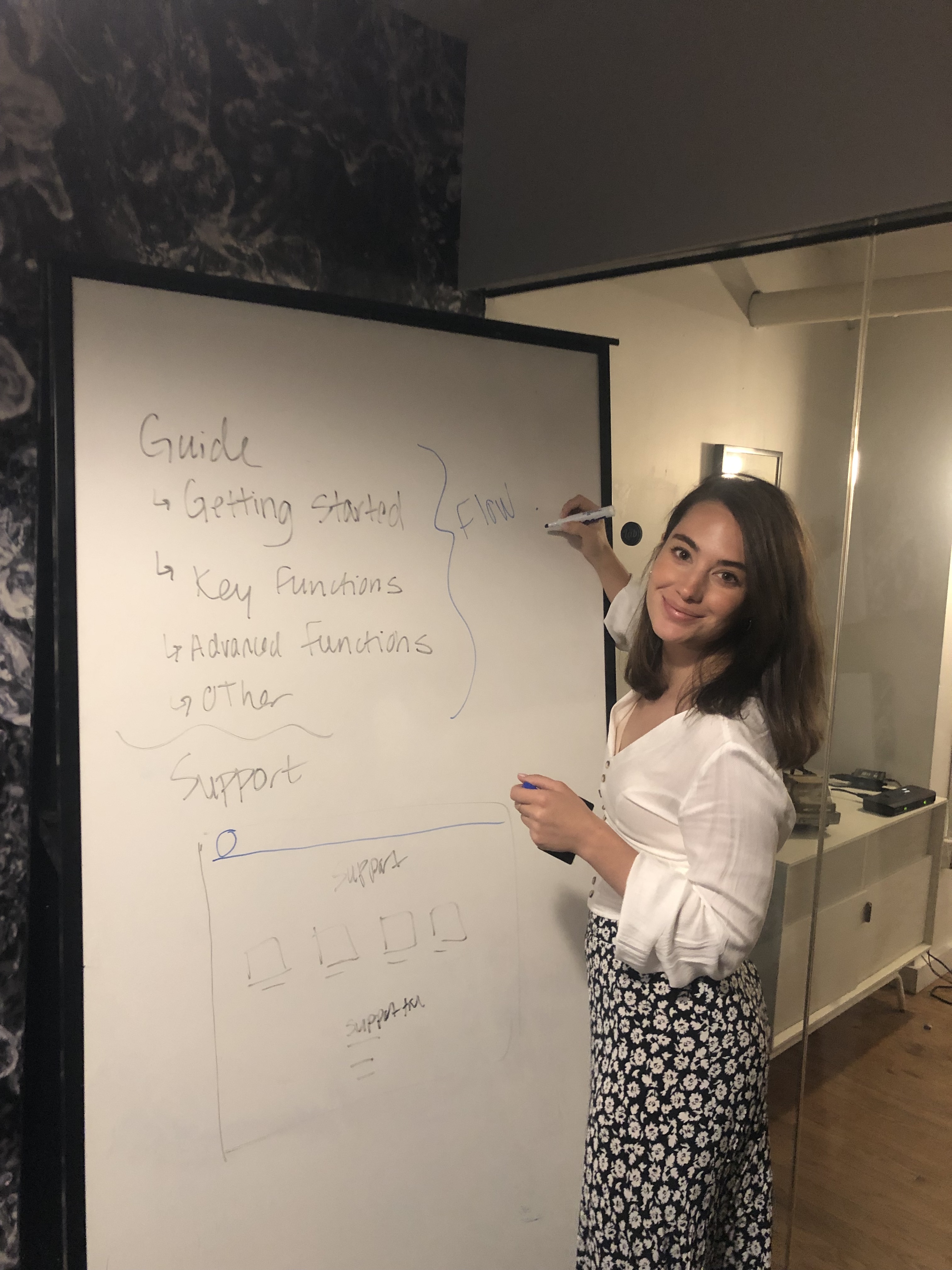
I gathered user research to develop insights about where users were getting confused and stuck. From there, I translated those insights into potential solutions – mocking up changes to the website and app that would improve the messaging and interface design. By the end of the internship, the website, app, and messaging were all in alignment and we were able to see that Trek Medics was converting twice as many website visitors into Beacon users. I hope to hear soon that more users are able to use Beacon more easily too. Though Trek Medics made Beacon to make emergency care accessible through innovative mobile technologies, the truth is that Beacon was entirely inaccessible for most users but I hope with these improvements, that changes.
In this internship role, I relied most heavily on combining my background experience in global health, tech, and anthropology research. However, my studies in health policy and management provided me with business model frameworks and economics, which were useful to draw upon when discussing business ideas – ideas that ultimately influenced the scope (constraints) of product design and development. Secondarily, the rigorous yet solo experience of graduate school prepared me well to not only work remotely but to be self-directed in my work as well. Lastly, while I didn’t use data analysis often, it did hep in the beginning when determining the most pertinent user research insights. It’s also worth saying that having breadth in my graduate school experience also allowed me to make connections in several different industry areas at the Columbia Startup Lab, which was useful when filling gaps in my skills and knowledge during the duration of internship.
While I was able to bring health systems knowledge to the internship, in terms of skills I relied on my previous job experiences in user and anthropological research. However, I lacked skills in web design and this was a skill I had to teach myself throughout the internship. In general, having more technological skills in web design and coding would have been helpful.
Secondly, working remotely presented many challenges. While my Executive Director, Jason Freisen and I ultimately ended up creating a great working relationship, it took work and a long time. So much of beginning a new working relationship is about trust building, and doing that is much harder when you work in a different place and no one can monitor you. This internship experience not only taught me skills in the career area I plan to enter after graduating, it also taught me the art of trust-building in the work environment, and even for just that this experience was invaluable. Whether I will grow into a start-up founder or start-up member, it’s important to understand the ingredients of strong working relationships.
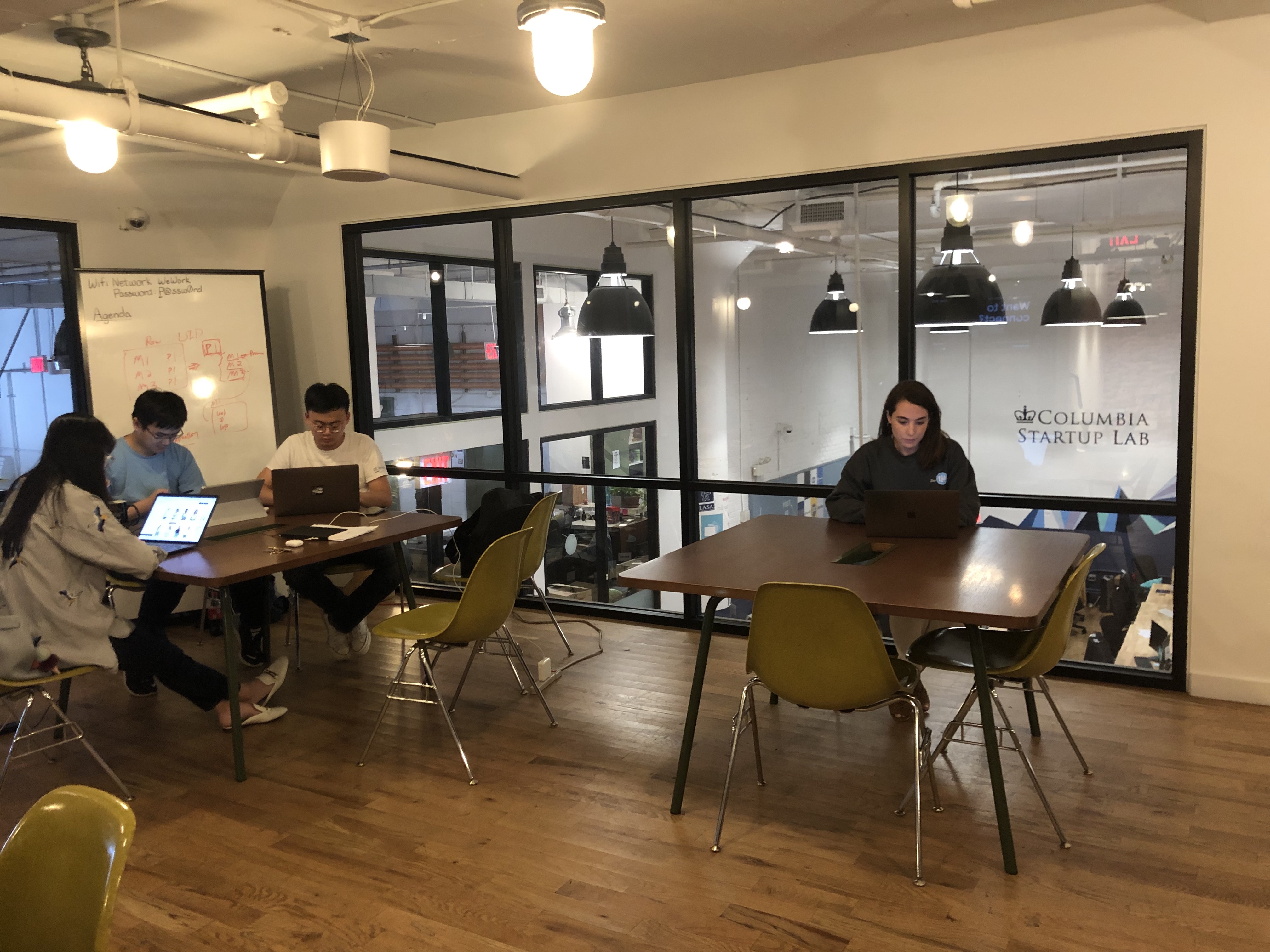
Overarchingly, I was pleasantly surprised by how much this internship evolved into the perfect fit and experience for me. I was surprised by how much the role fit my interests and personality, by how much I enjoyed working with the Trek Medics team, and how much I loved the Columbia Startup Labs environment (and people). I didn’t expect my experience to evolve into something so special. Looking back, I am so grateful to have had this experience. As I’m looking forward to my future now, I am thinking heavily about potentially returning to a similar role/experience/company or to start my own start-up. Starting my own company seems even more intimidating now that I’ve seen just how difficult it is from the inside, but I think the endeavor is worth the work. If I don’t though, I could see myself graduating and entering a UI/UX role. It was the perfect mix of my visual, research, global health talents/interests. Finally, I feel so grateful that I was able to work out of the CSL – the people there are truly inspiring and wonderful and I came to understand that I fit very well into that environment too.