Internship Description
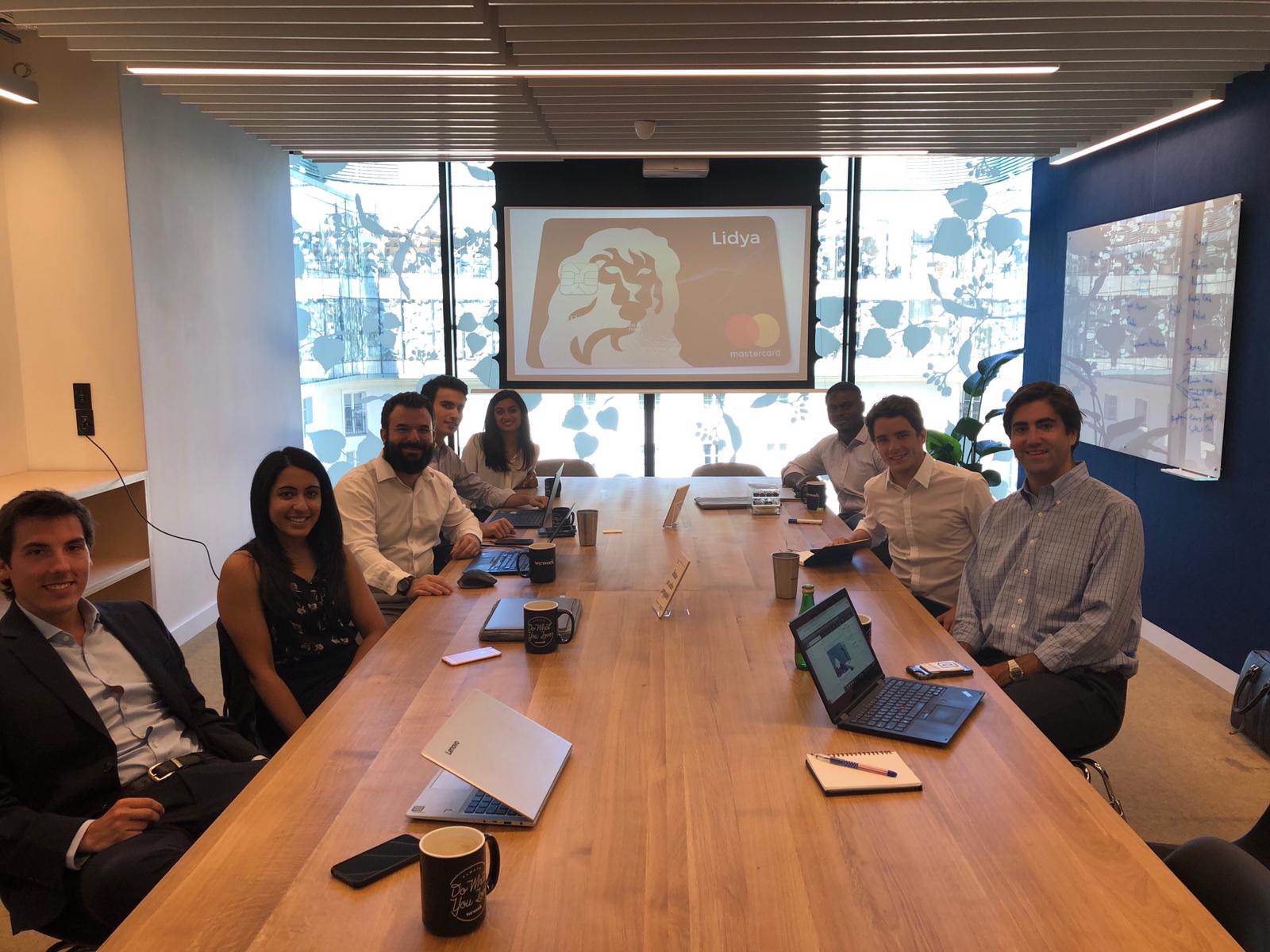
Natasha Bhuta and Sabaa Notta, ’20SIPA, and Fabian Crudele, ‘20BUS worked with Lidya, a financial services platform to improve access to credit and finance for micro, small, and medium enterprises (MSMEs) across frontier and emerging markets starting with Nigeria. Lidya has an online platform that makes it easier for SME’s to grow, creating wealth and employment, and supporting diversification of the economy. Lidya’s platform has allowed SMEs to apply online, get credit in 24 hours and build a credit history. Natasha assisted with market expansion efforts that involved assessing market viability for Lidya's products and services in target markets and business development with enterprise partners, regulators and other private sector players. She also helped develop and implement Lidya’s annual business plans for expansion markets in Eastern Europe. Sabaa’s role was to assist with the country's expansion in the new region; from building new partnerships to acquiring and managing new customers. Sabaa’s role also included research around expansion opportunities, as well as working on the business plan and budgeting. Fabian helped Lidya, which is based in Lagos, Nigeria, to expand to other frontier markets in Eastern Europe by creating an expansion strategy and forming the right partnerships in new countries. These students were supported with new SESF funding earmarked for financial inclusion.
I had the privilege of launching Lidya into its first European markets, the Czech Republic and Poland. Lidya is a tech-first small business lending platform that provides working capital loans 24 hours after assessing financial documents and credit scores. Lidya has a thriving business in Nigeria backed by prominent impact investors like Accion, Flourish, Omidyar, and Mastercard’s Start Path.
Their mission is to address the $5 trillion global credit gap entrepreneurs and small businesses face in accessing capital in developing markets. Small and Medium Businesses (SMBs) often struggle to secure loans from banks due to size, lack of collateral, and limited operating history. While some banks offer SMB specific products, these are not their primary focus, resulting in smaller, less favorable loans.
My role involved bringing the business to life in its new European market –from localizing the product, developing customer acquisition channels, and day-to-day business operations, which included hiring a local team. My team consisted of 3 people, with bi-weekly visits from the CEO. We mapped the competitive landscape of 100+ banks and alternative lenders in the target markets. We also initiated partnership opportunities through various organizations, embassies, and trade groups to help Lidya build a customer base for the launch. I ensured that we kept up to date about the changes in the European financial services market with PSD2 and the beginnings of open-banking and new providers. These regulatory changes were a welcome change to non-bank financial services providers as they drove efficiency gains for our operations.
Through my studies at Columbia, I’ve learned how to take charge in ambiguous situations, gaining experience developing needs assessments, gap analysis and roadmaps. My background in finance and product management allowed me to provide a unique perspective on the changes in the local payments landscape with the rise of new licensing for players like Payment Initiation Service Providers. I also leveraged my Columbia network to connect with a former student at a top consulting firm in Prague, who shared valuable insights into the Czech market. There was no playbook, but I felt confident in my toolkit and ability to get things moving.
Every great adventure has some challenges. As a team, we couldn’t launch as quickly as we wanted due to the regulatory changes. Banks had not met the deadlines to comply with technology requirements, creating a challenge to find the right providers for our needs. However, we were a scrappy team, so we focused on building our pipeline of relationships with customers and associations, and quickly closed those deals after we launched. Some roadblocks required more time than we had available during our field time in-country, and I continued to work with Lidya until the end of the year from New York.
A personal challenge I faced reporting directly to the CEO who was a very busy person, overseeing two global businesses and two new country launches. While he was pleased with our work, I felt like I was letting him down when partnership opportunities did not work out or were taking longer than expected. I learned that creating more transparency with summary material that he could refer back to was helpful showing both channels exhausted and progress made.
My biggest lesson learned was the importance of flexibility. Despite our drive to make a significant impact, we had to be realistic about the external obstacles. I also got to face the reality of a different pace of work in Europe vs the U.S., with longer timelines for securing documents, partnership agreements, and pricing. Focusing on what we could control was paramount.
This experience allowed me to align my long-term personal mission of improving financial inclusion while taking on an a 01- execution focused role launching a new business. I learned I especially enjoyed taking on end-to-end ownership, doing everything from driving local operations, product localization, and go-to-market. I also learned that having a great team is really crucial for success. “If you want to go fast, go alone. If you want to go far, go together,” was the theme of the summer and I couldn’t have asked for a better team. This summer solidified my desire to work on strategic or product initiatives for organizations that create positive social impact.