Internship Description
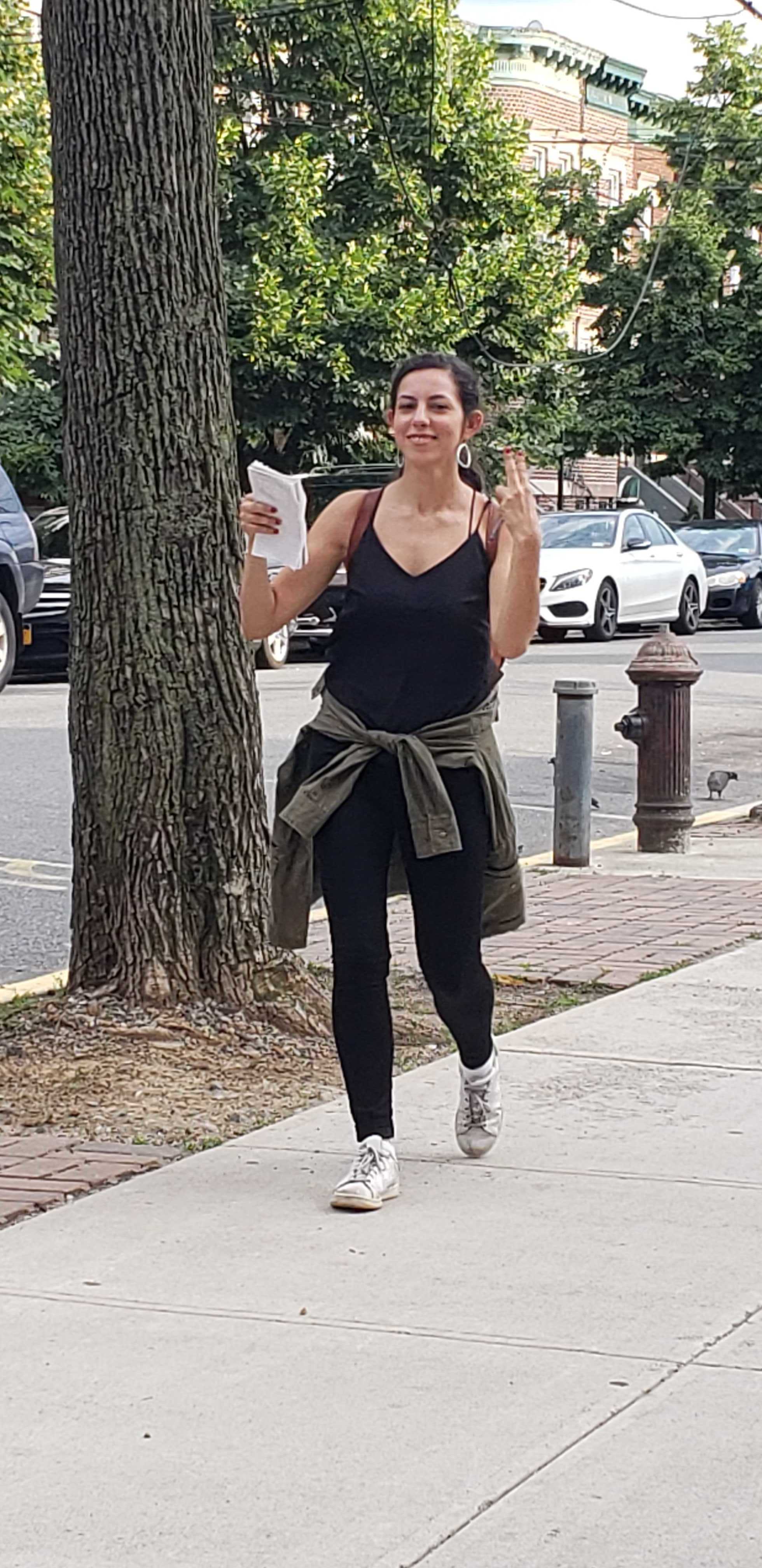
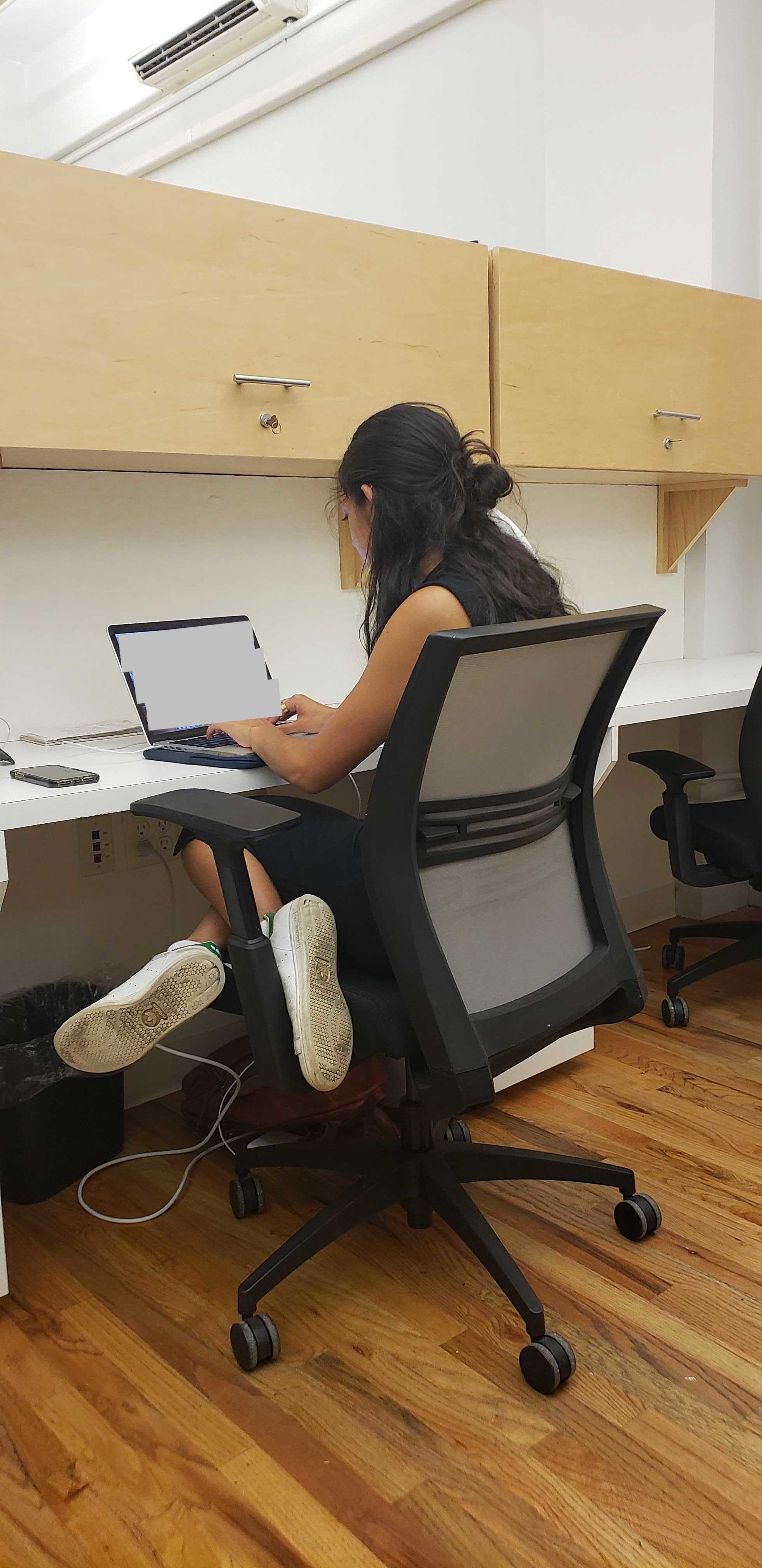
Savannah Jacobson, ‘19JRN, interned at The City, a nonprofit organization dedicated to serving the people of New York City. The City strives to help fill the gap in local news by listening to the needs of New Yorkers and shedding light on powerful institutions. Savannah worked on various assignments, pitched and produced her own stories, and reported on a long-term project that she decided upon with her editors.
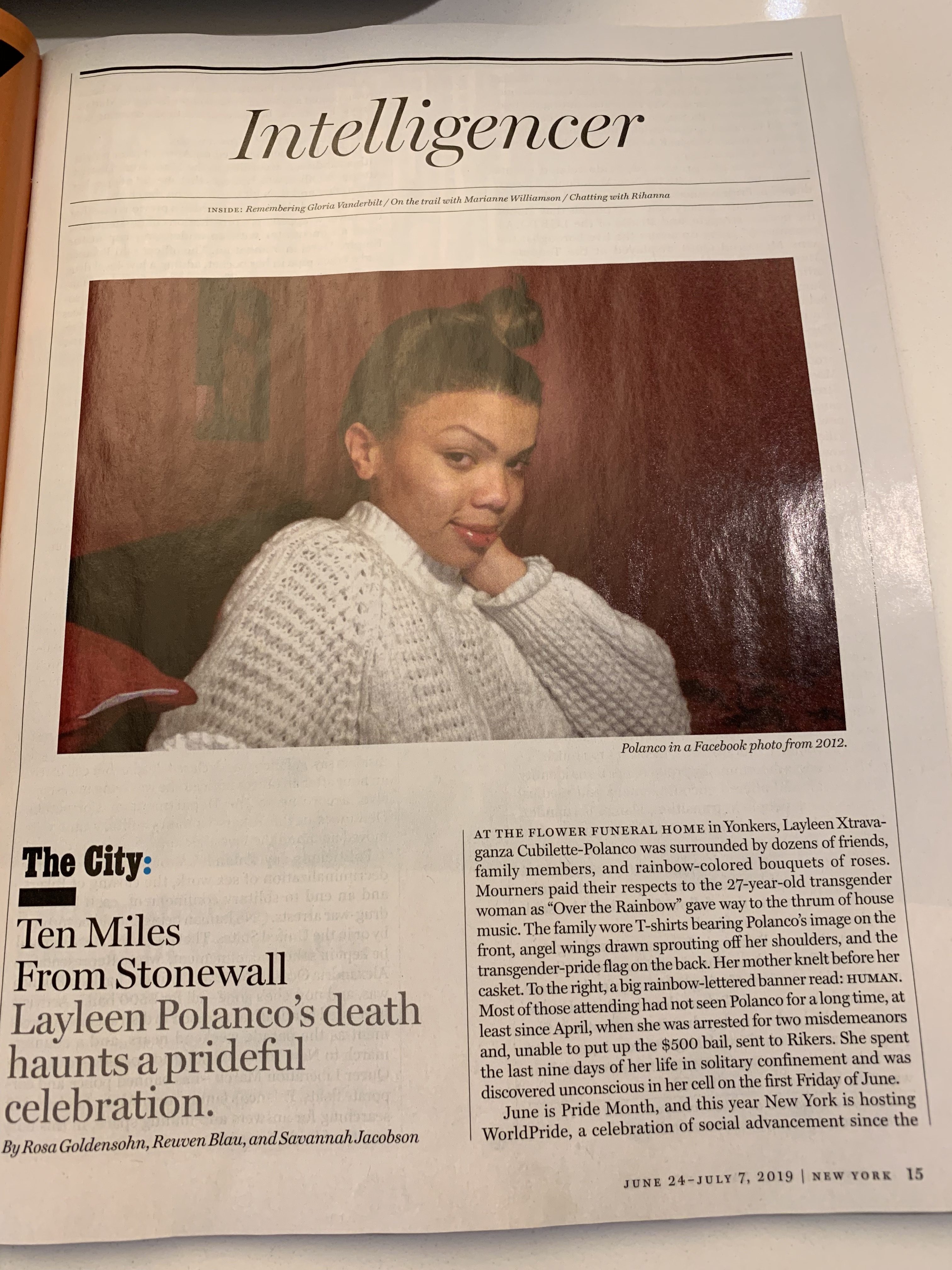
I worked on a number of projects for THE CITY. In the beginning of my summer, I spent a couple weeks covering the death of Layleen Polanco, a trans Afro-Latinx woman who was arrested on misdemeanor charges. She couldn’t post the $500 bail and ultimately, died from her seizure-related disease in solitary confinement in Rikers Island.
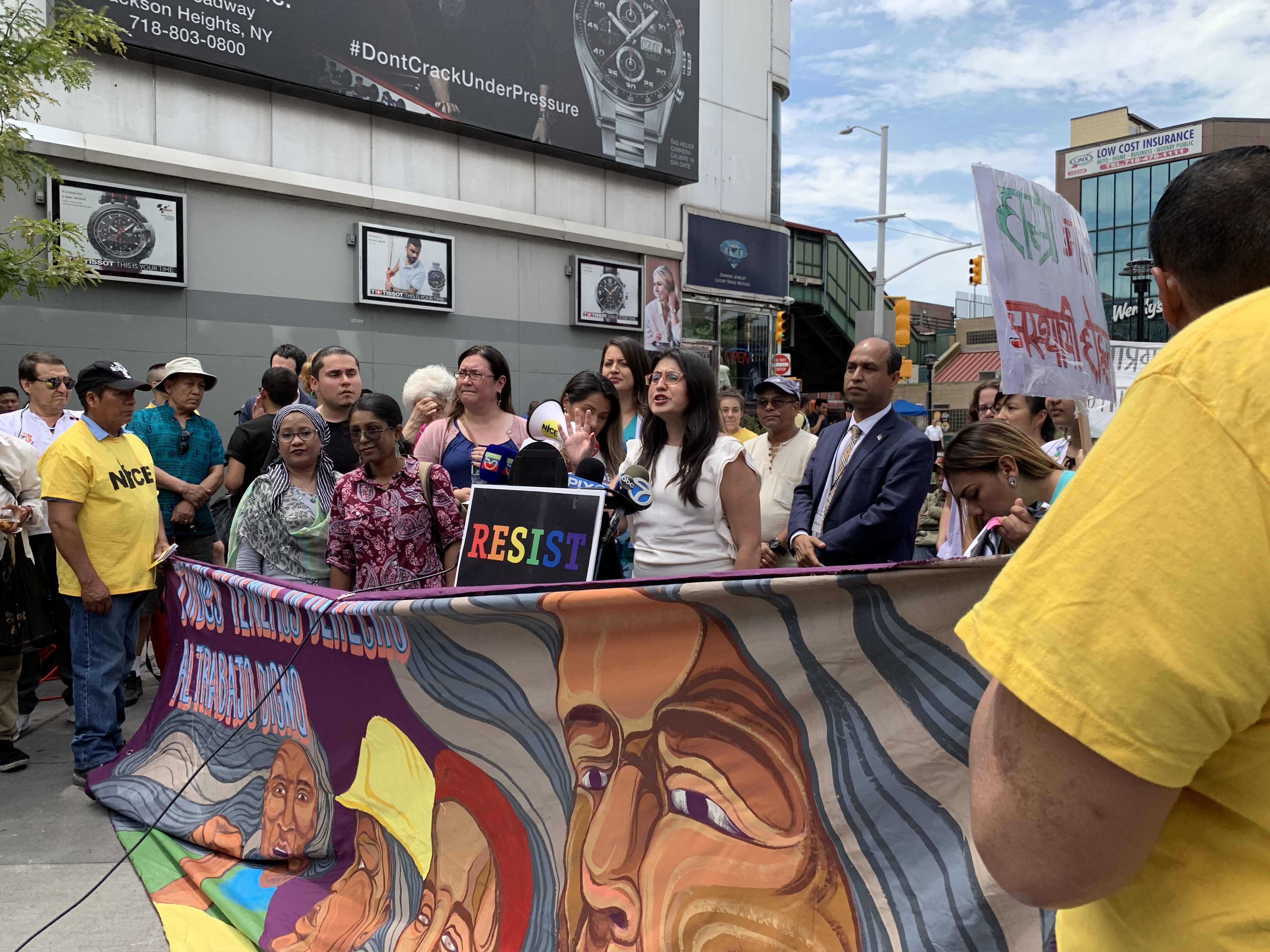
I spent time with her family and close friends, painting a picture through a series of articles (including one published in the print edition of New York Magazine) of who Polanco was: a warm, loving, thoughtful woman obsessed with EDM, sushi and dancing. Our coverage led to several local politicians speaking out against solitary confinement and urging the shuttering of Rikers Island, including Congresswoman Alexandria Ocasio-Cortez.
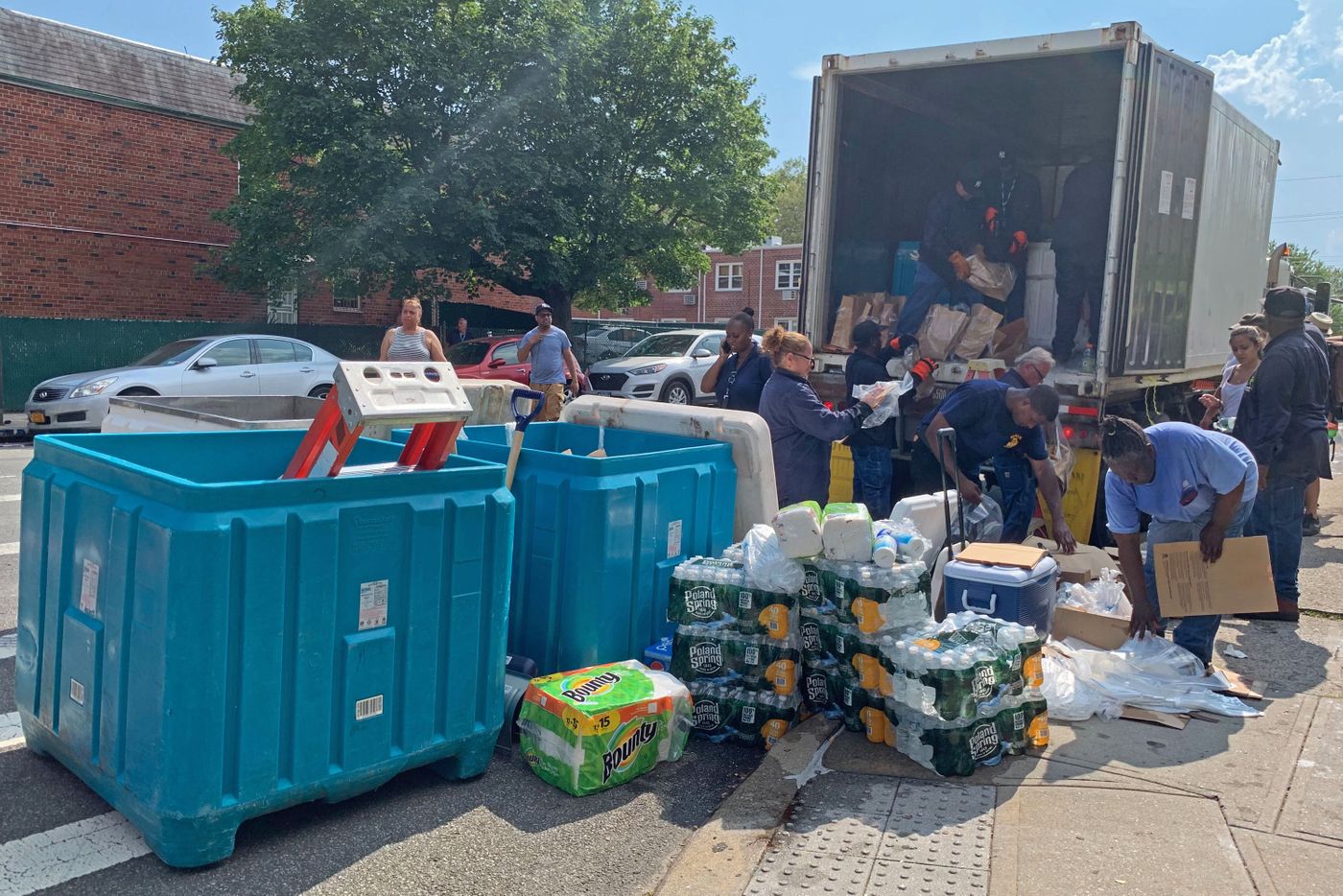
I also reported on a number of other community-focused articles, including the spike in drug use among taxi drivers, ConEd shutting off power in a mostly low-income community of color to spare the rest of the city’s power grid, and a woman whose belongings were sold by her private storage unit because the city faltered on its payments.
These stories advance THE CITY’s mission of reporting for New Yorkers. They were driven by community members, not power brokers. At the same time, it was hard-hitting reporting including a number of interviews and documents for each story, that ultimately served to inform and improve New York City’s communities.
I couldn’t have done this job without learning from the professors at the journalism school. I employed each of the techniques that I learned in my time at Columbia: how to conduct effective interviews, ethical training about when and when not to publish someone’s name, investigative techniques like how to pull or request government documents, and much more.
For example, in one of my stories, I reported on a woman who temporarily lived in a homeless shelter with her mother and her daughter. While she lived there, the Human Resources Administration, which is a city government agency, paid for her storage fees, as is required by law. But, when the private company with which she was storing her belongings started to overcharge, the HRA decided to stop paying, so she and her family lost many of their belongings. Ultimately, we decided not to publish her name, at her request. She feared retaliation if she ever sought out HRA services again.
In another instance, a press person for a politician requested his name not be shared, even though he was offering basic information about a business deal unflattering to the city. We decided that, since I had never agreed to withhold his name, it served our readers no purpose to obscure his identity. While my editors ended up cutting his contribution, I made a conscious decision using my journalistic ethical training, reasoning that we made no agreement to not speak fully on the record. I recalled many of my professors explaining that allowing for arbitrary anonymity, at the end of the day, is a disservice to readers and to other journalists.
There were plenty of challenges in my time at THE CITY. Several stories faltered, many sources were difficult to access and writing a concise story with pages and pages of notes is always a challenge.
One example of dodgy sources arose when I was asked to help report out a story about unethical campaign financial practices on the part of Mayor de Blasio’s presidential campaign. A senior reporter gave me a list of high-dollar donors. This, of course, meant high-society New Yorkers who did not like being cold-called on their personal phones by a stranger asking about how they spent their money! I was hung up on repeatedly and the story almost got nowhere, until one person actually spoke with me and described a fundraiser he held for the mayor.
Other times, there were sources who were reluctant to speak for completely different reasons. In covering the Polanco story, for example, many sources I reached out to did not want to speak with a reporter right after losing a loved one. (I, of course, understood and left them alone.)
I learned a lot about the importance of audience and community in local reporting. I got to help out with THE CITY’s Open Newsroom initiative, which partners the newsroom with the Brooklyn Library to host listening sessions in three mini-news deserts in Brooklyn (so far): Red Hook, East New York, and Bed-Stuy.
I got to speak with tons of locals about why they lost their trust in media: too many stories about violence or other negative news items, with no light shined on the good that exists in these communities, which were largely low-income neighborhoods of color. They told us about how we can do better, and other exciting conversations like how they get their information.
It completely reshifted the way that I think about news and served as a much-needed, vital reminder that we, as journalists, exist to provide a public service. We are necessarily mission-driven and on the side of the people; not the power. It drove me to think much more seriously about local, community-driven accountability journalism.